Ginny Oh - Singapore/Malaysia
Ginny Oh
Designer biography:
Growing up in Malaysia, and now based in Singapore, Ginny Oh was surrounded by vibrant mosaic of cultures, each one weaving its flavour and rhythm into the fabric of her identity. She draws from this diverse range of cultural influences, and delves into themes of identity and belonging, crafting narratives that celebrate resilience, adaptation and cultural exchange. Leaving the corporate life after 20 years, she made a mid-career switch to become a full-fledged metal clay artist and founded her jewellery brand ‘byXiu’ in 2022. Each piece from her brand is meticulously crafted, capturing the essence of the moment that inspired it. Ginny is drawn to the versatility of metal clay and its ability to express her creative vision. She likens working with metal clay to applying brushstrokes on a canvas, allowing her to sculpt and shape her designs freely and intuitively.
Collection concept:
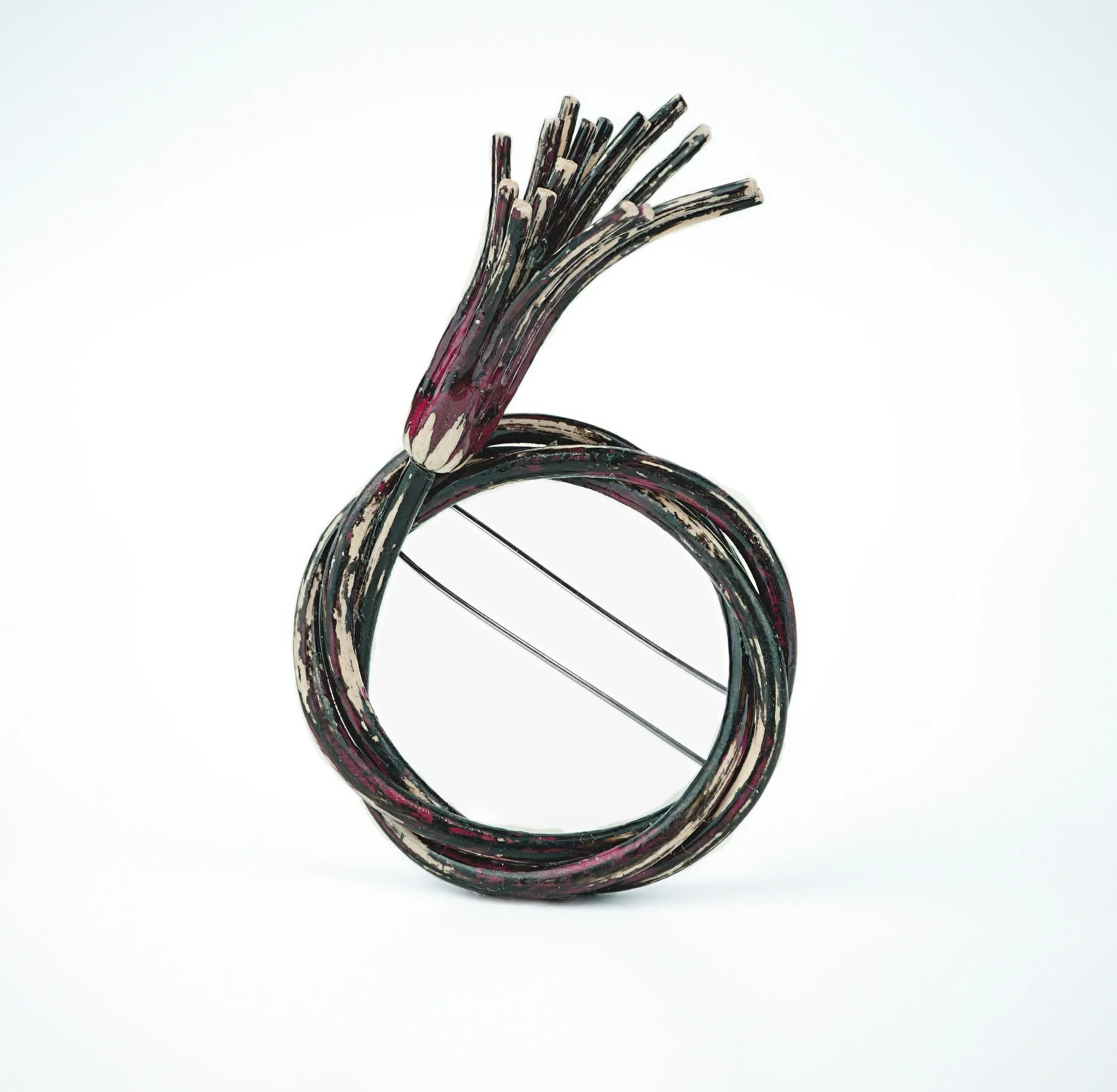
“To be spanked till the bottom becomes blossoming flowers” — a phrase at once absurd, humorous, and quietly violent. For many children raised in Chinese households, it is a familiar expression that reveals the normalization of corporal punishment within everyday discipline. Paired with the rotan (cane), such language transforms harm into something trivial, even poetic.
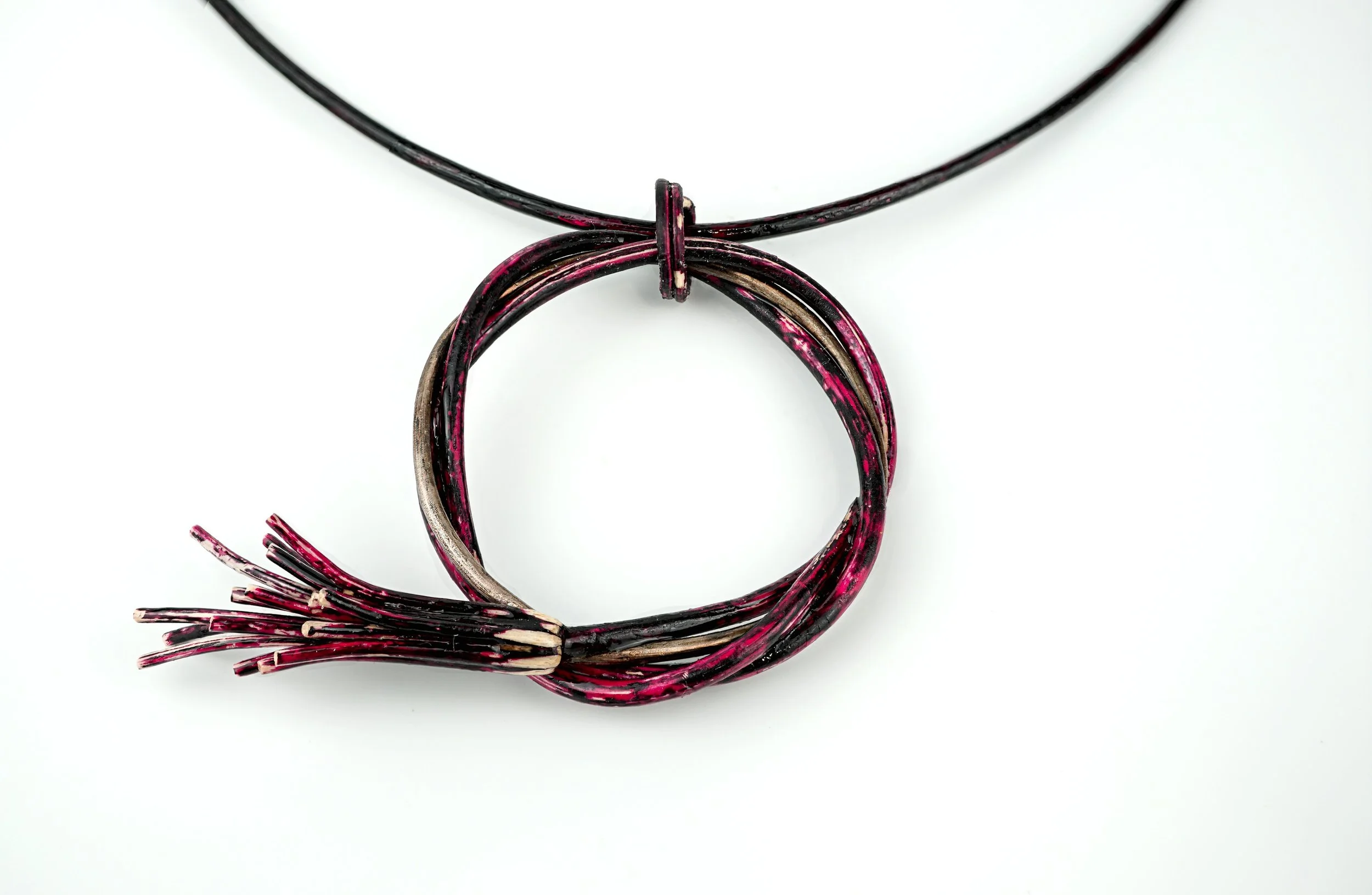
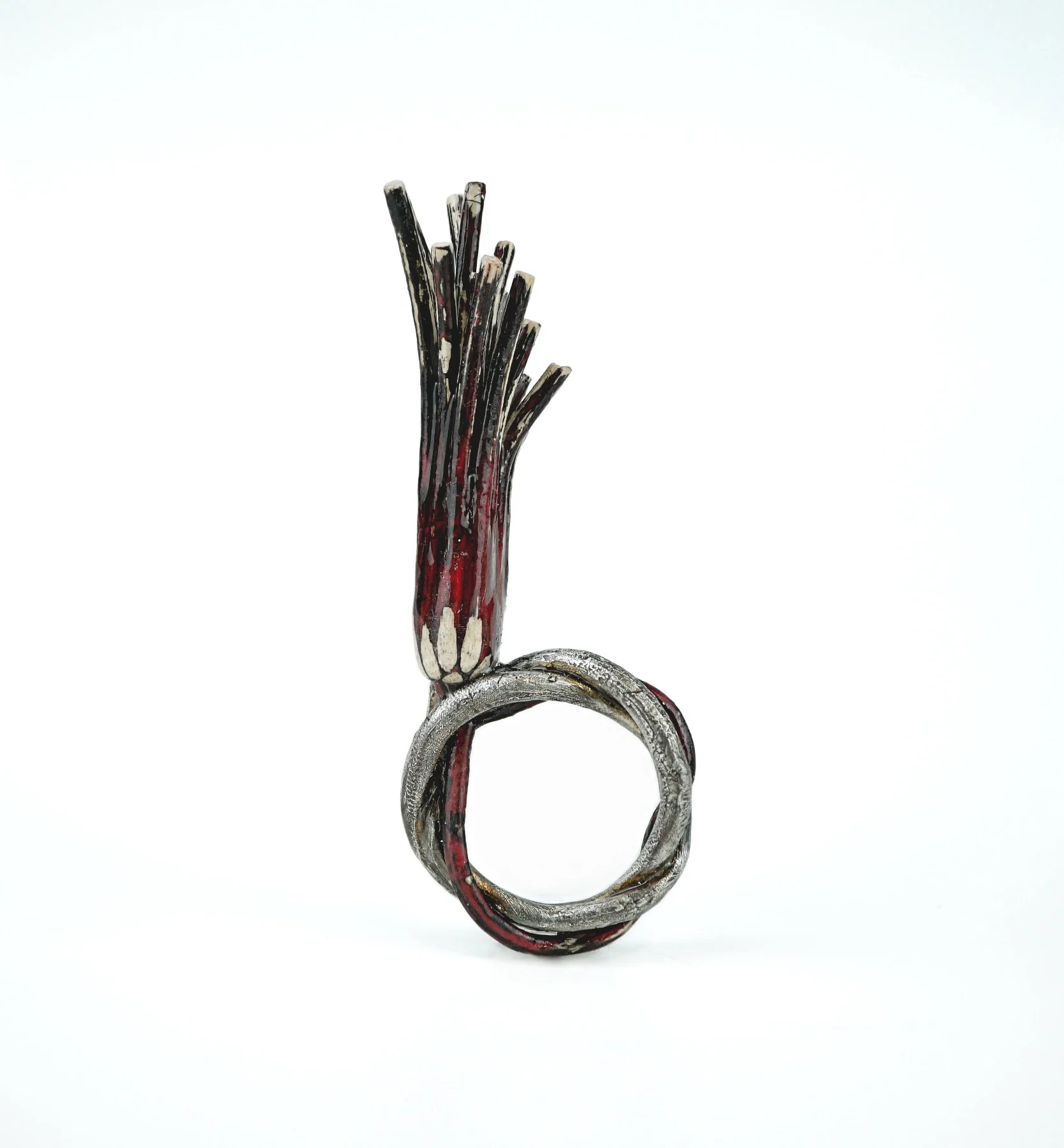
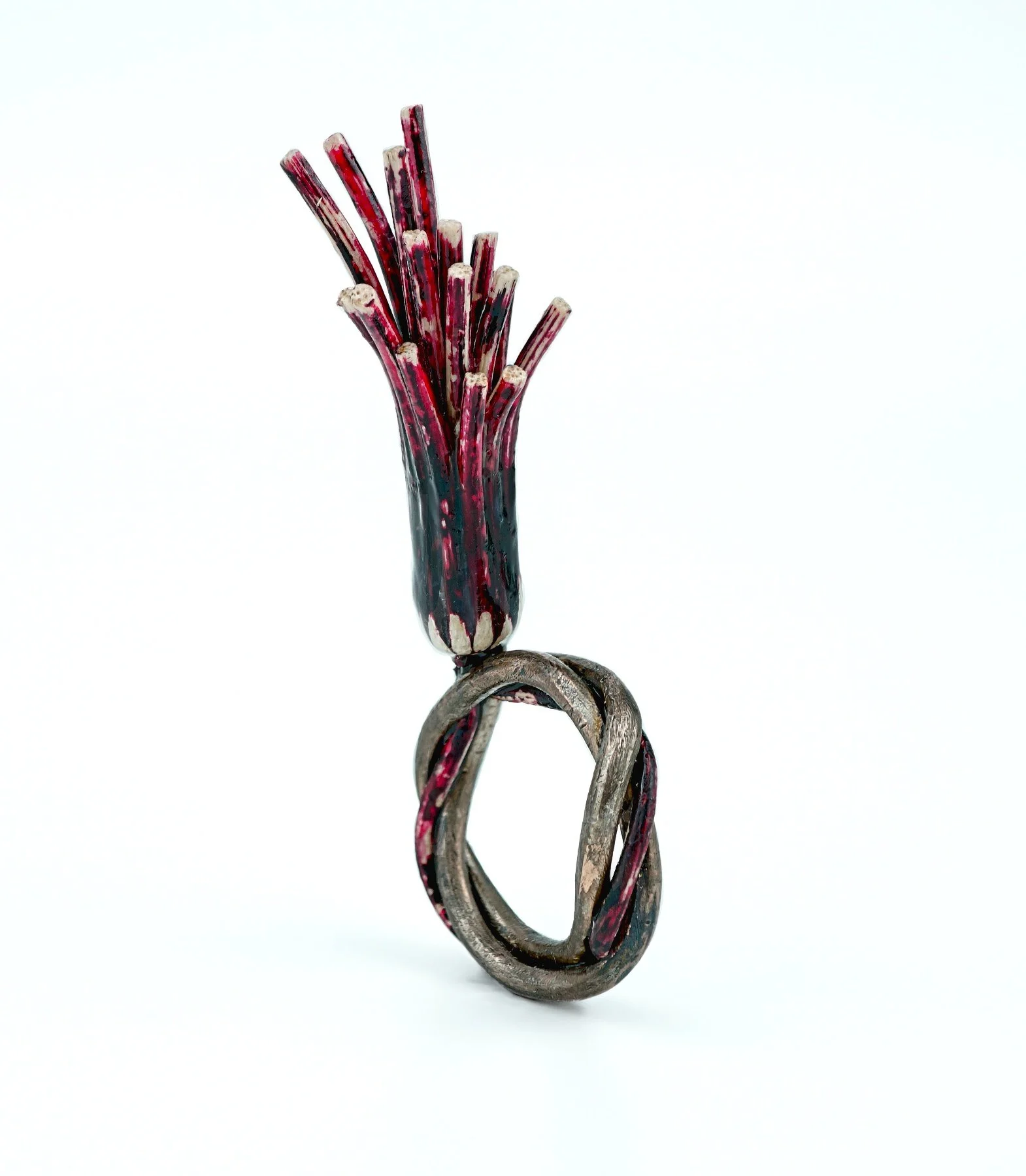
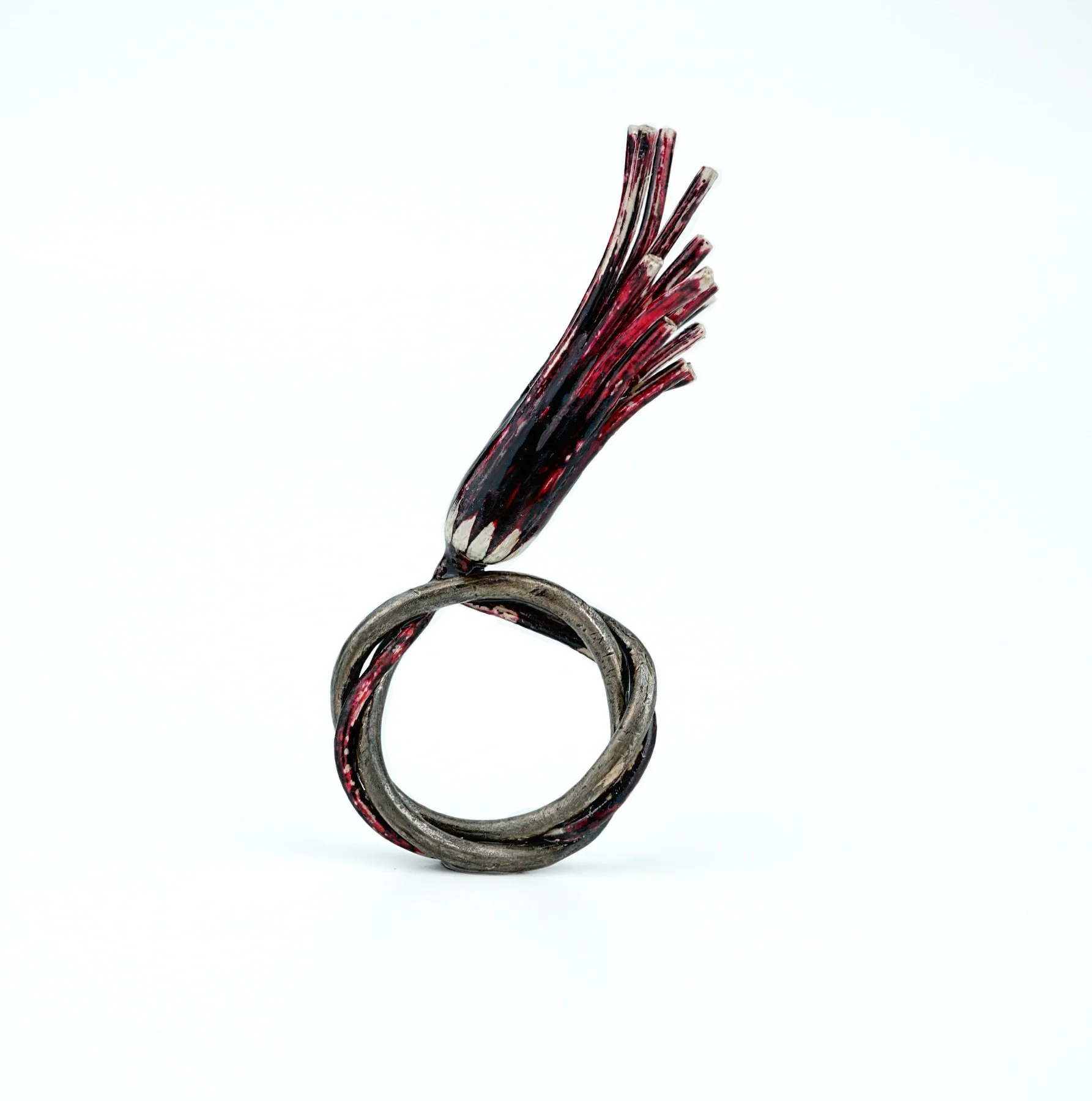
Having grown up within this framework, I carry the lingering imprint of these experiences — a stigma shaped by both memory and cultural conditioning. This body of work emerges from a desire to confront and translate that imprint into material form. In Blossoming Flowers, the rotan is reimagined as both symbol and structure. Once an instrument of control and punishment, it is transformed into adornment — objects that sit on the body as jewellery, appearing delicate, ornamental, even beautiful at first glance. Curving, tendril-like forms inspired by the cane wrap around the body like vines, erupting into intricate floral motifs. Yet these “blooms” resist romanticization. They reference rupture rather than growth — the breaking of skin, the moment of impact, the body’s forced response to violence. Each piece embodies a tension between beauty and harm, discipline and care, resilience and trauma. By translating a violent metaphor into wearable form, the collection invites reflection on how pain is aestheticized, internalized, and carried. Blossoming Flowers becomes not only an act of reimagination, but also of confrontation — where adornment holds both wound and recovery in a single, fragile form.